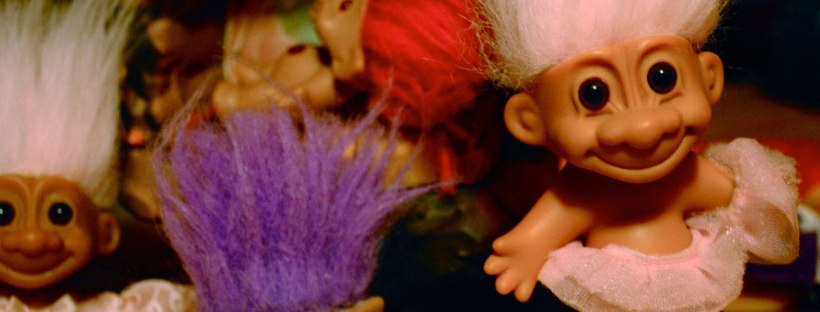
The short answer: don’t feed the trolls! But, as with most things related to social media, it’s a little more complicated than that.
What is a troll?
A troll is a person who strives to create conflict in online communities like social networking sites. They often do this by provoking arguments or using derogatory language to upset others. While their messages may sometimes be irrelevant to the discussion or completely off-topic, they always aim to disrupt the conversation for no readily apparent reasons.
Fast Fact: Judith Donath first documented the practice of trolling in academic literature back in 1999. So, trolls are nothing new. But, dealing with them can try the patience of even the most tolerant people.
What are the signs of a troll?
So, how do you know if you’ve got a troll on your hands? Well, there are eight tell-tale signs:
- They post a lot and across multiple platforms
- They use harsh or vulgar language
- They personally attack and bully others
- They won’t listen to reason or attempts to help solve their problems
- They have an obsession with ALL CAPS and excessive exclamation points
- They ask ambiguous questions that are often based on false assumptions
- Their profile pictures aren’t personal photos
- They lack the ability to communicate like normal human beings
So, that last one might be stretching the truth just a bit. But, you probably get the picture. Trolls are no fun, and they can turn your social media presence into a hostile environment quickly.
What about deleting their posts?
At the beginning of this blog post, I said you shouldn’t feed the trolls. And, by that, I meant that you shouldn’t engage with them. You don’t want to completely stick your head in the sand and pretend that they don’t exist, though.
But, you also don’t want to delete a troll’s comment just because it’s negative or inflammatory. If you do, you’re actually feeding that troll by reacting to them. If they’re violating your comment policy—and I know you’ve got yours prominently displayed on your page—then all bets are off. You’ve set expectations for your community with your comment policy, so you should absolutely enforce it when appropriate.
If the troll isn’t in violation of your comment policy, by deleting their comment, you risk:
- Reinforcing their message
- Encouraging the troll to keep posting again and again
- Deterring your defenders from posting great information
- Making people feel like you’re violating their right to free speech
Should you always ignore them?
If you shouldn’t delete their posts, should you really always ignore them? And, what should you do when it’s clear they’re negatively influencing your community? Ignoring them is usually the right path to take. But, if they’re spreading misinformation or otherwise affecting your community, it might be time to step in.
When you do step in, don’t address the troll directly. Use your social media platform to clear up any confusion a troll creates. And, take the time to actively engage with your supporters and advocates. Trolls want to goad you into acknowledging them. Take the high road, and they may just go away. It’s been known to happen!
What is a negative nelly?
What if they’re not really a troll? Well, they might be a negative nelly. Negative nellies are just generally unhappy people who set out to complain about anything and everything. They aren’t trying to insight arguments or hostility like trolls. And, at least in their minds, they have legitimate grievances that they want acknowledged and addressed.
Should you handle trolls and negative nellies differently?
As you now know, trolls and negative nellies are two completely different groups of people with completely different motivations. So, you have to take two different approaches to dealing with them. It’s important to differentiate between those who want to learn—the negative nellies—and those who just want to cause trouble—the trolls.
With negative nellies, you really have to consider the situation. And, you need to recognize that negative feedback can be helpful. Then you’ll want to determine what type of response you should use: addressing the issue or acknowledging the comment. When responding to negative nellies, it’s a good idea to show appreciation for criticism and apologize when it’s warranted.
What if your fans or followers come to the rescue?
But, what do you do if some trolls or negative nellies have dropped by your page and your super awesome fans or followers have come to your defense? Well, first, give yourself a pat on the back. You’ve developed a good and loyal following! Second, you should realize that when some people come to your defense, the risk of starting a destructive argument that spirals out of control grows even higher.
When destructive arguments start, the best thing to do is to make sure you have the final word. Remind everyone that you appreciate their opinions and that you expect them to be courteous and respectful of one another.
With the right tools and information, you can successfully appease your negative nellies and starve your trolls into finding another place to incite turmoil.
 Science + Communication